
OUR
SAFETY FIRST
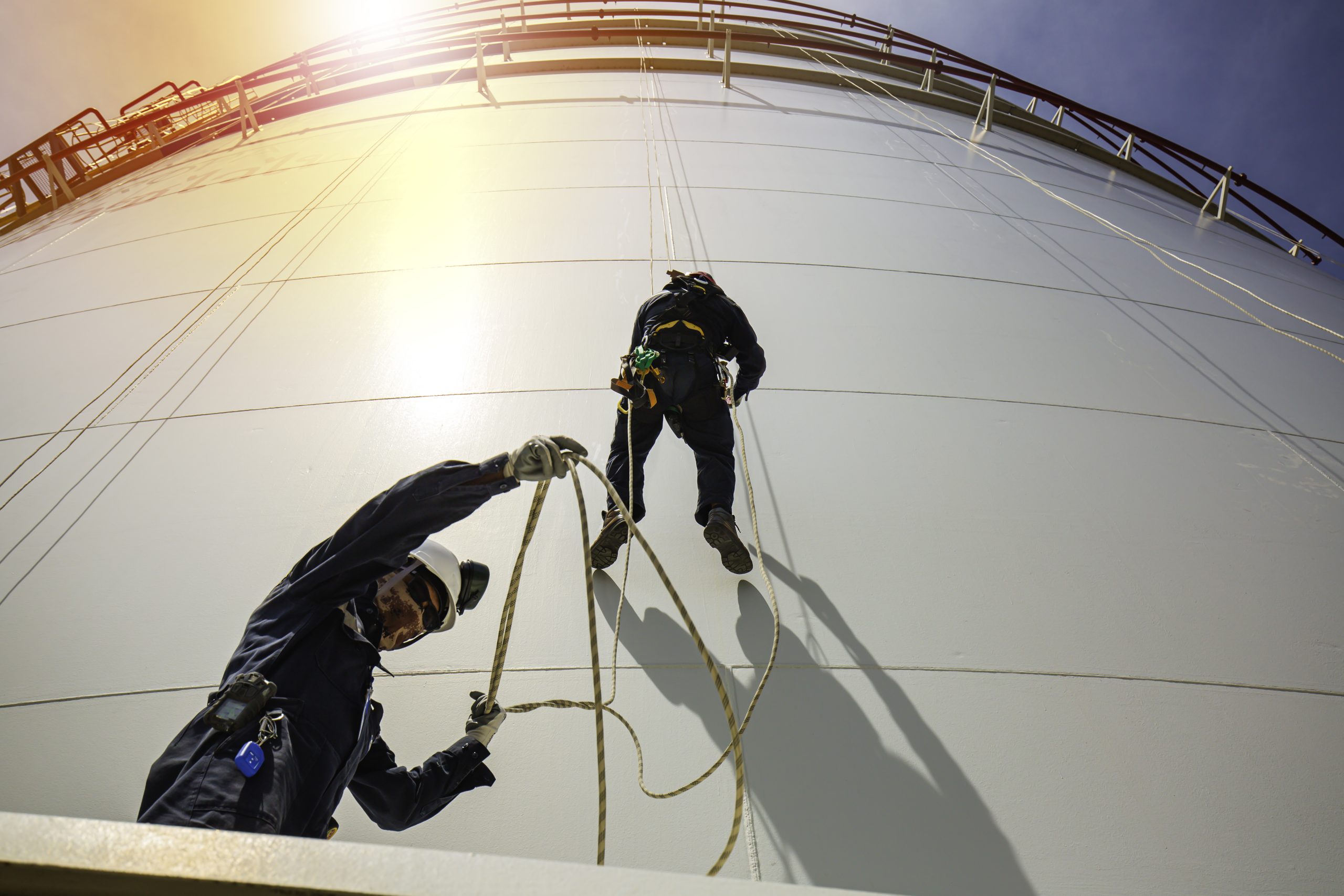
Lifeline inspection is crucial to ensure safety in work at height, preventing accidents and guaranteeing compliance with legislation.
Service Engineers are qualified to provide the best solution to keep crew and operators safe.
The inspections are conducted with reference to, but not limited to, the following internationally recognized standards and recommended practices. These standards are used as technical guidance to support visual evaluation, condition assessment, and risk-based recommendations to meet full compliance.
While designing, installing and testing the various types of lifelines, our team strictly follows the applicable Industry Compliance regulations such as:
ISO 45001
Occupational health and safety management system. Utilized to justify inspection methodologies, corrective actions, and full process traceability.
ISO 2408
General requirements and technical specifications for steel wire ropes in structural and lifting applications.
ANSI/ASSP Z359
Fall Protection Code. A definitive reference for fall protection components, systems, strict inspection criteria, and industry best practices.
EN 795
Anchor devices. Regulatory classification and testing requirements for permanent and temporary anchorage points.
EN 365
General requirements for instructions for use, marking, periodic inspection, and addressing traceability gaps or ID plate requirements for fall protection PPE.
The main regulations governing inspection are:
NR 35
Work at Height regulation, establishing strict safety guidelines, training requirements, and operational protocols to mitigate risks during high-altitude tasks.
BS 7883:2019
System requirements for design, installation, and periodic inspections by qualified professionals. Regular inspections and maintenance are essential to identify wear, faults, and risks that compromise system effectiveness.
Our Services include design and installation of new lifeline systems as well as periodic certifications of existing systems, Load testing of anchoring points and pad eyes.